

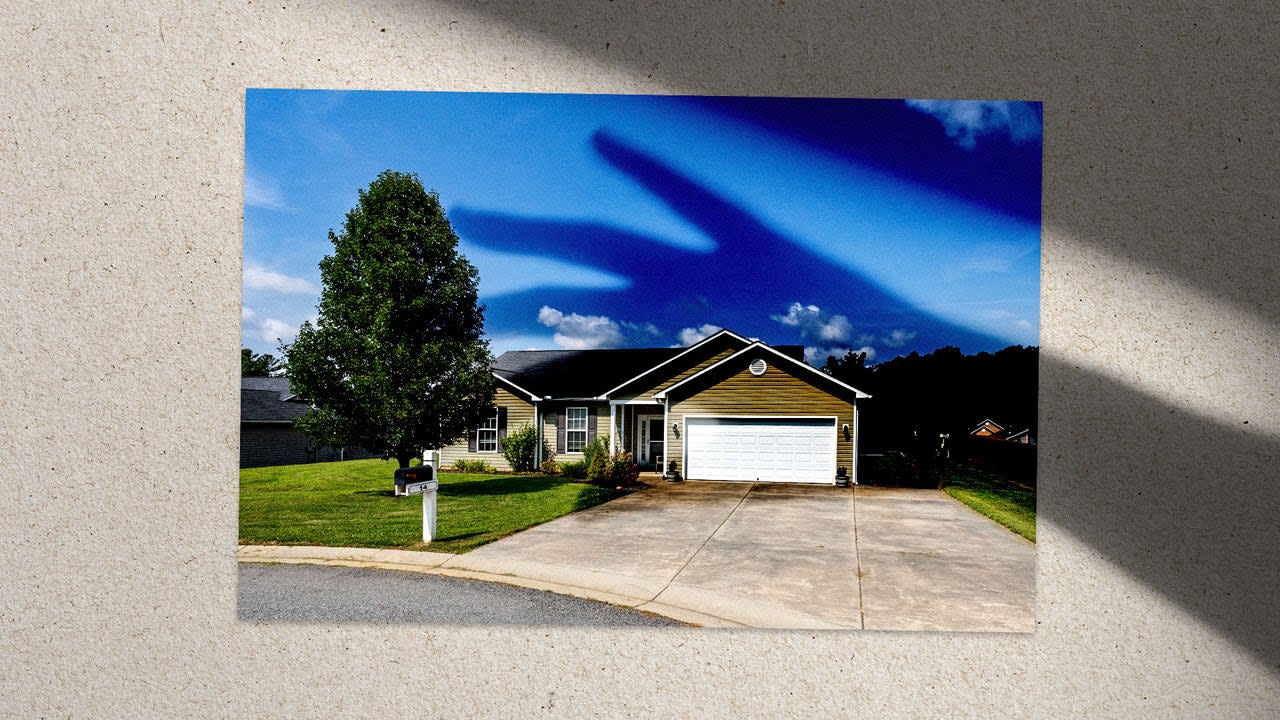
Something in the real estate market just got a little less spooky this holiday season.
Out of all residential properties in the U.S., the number of homes abandoned during the foreclosure process dropped to 3% in the last quarter, an improvement from 3.3% measured over the same time period last year. The data comes from the real estate analytics firm ATTOM’s latest Vacant Property and Zombie Foreclosure report .
Empty houses, known as “zombies,” are a real problem. They happen when a homeowner going through foreclosure proceedings abandons a property before the process wraps up. The name is often fitting, as zombie properties tend to show signs of neglect, delayed maintenance, and deterioration that can negatively influence the surrounding area and drag property values down along with it.
In the last quarter, ATTOM found 269,195 properties undergoing the foreclosure process. Out of those, 8,040 or 3% qualified as “zombies,” down slightly from the same time last year. The number of homes just generally sitting vacant also dipped to 1.2% in the last quarter, an improvement from the 1.3% from the same time last year.
Zombie properties aren’t common, and they often stem from misunderstandings about the foreclosure process. A homeowner behind on payments who receives a notice that they defaulted on their mortgage might mistakenly assume that the bank now owns their house.
They move out, but the foreclosure process can hit any number of hitches, stalling out or even getting canceled by the bank. Without a finished foreclosure process, the homeowner who failed to pay their mortgage still officially owns the home and their name remains on the title of the house. But by this time, the homeowner is often long gone and no one is left to live in or tend to the house.
Where zombies are on the rise
Zombie homes are easy to spot in the average neighborhood, with no activity, no lights on, and overgrown vegetation. Beyond being an eyesore, they can attract pests, crime and vandalism, generally bringing down the average of a given block. Though they can have an outsized impact on their surroundings, zombie properties do remain quite rare.
“The fourth-quarter data showed modest declines in both vacancy and zombie foreclosure rates nationwide,” ATTOM CEO Rob Barber said. “While trends vary from state to state, vacant and abandoned homes continue to represent a relatively small share of the nation’s housing stock.”
Like all real estate trends, zombie properties aren’t evenly distributed around the U.S. The national average is down, but 29 states actually saw the number of zombie foreclosures tick up last quarter. Wisconsin, Maryland, Pennsylvania, Texas, and North Carolina all saw the largest increases in zombie properties among states with at least 50 qualifying zombie homes in the last quarter. Arizona, Florida, California, South Carolina, and Oklahoma all saw declines in their share of zombie properties during the same time period. Baltimore, Indianapolis, and Carthage, New York had the highest rates of abandoned homes in the foreclosure process.
Zombie properties can be a headache for banks and neighborhoods, but they’re a minor fright compared to stubbornly high mortgage rates – the bugbear actually scaring people out of the real estate market these days.


